Hardware & lighting ideas

Choosing cabinet handles

Handles are small components used constantly, so comfort and fixing details matter as much as finish. Their size and position can change the proportions of a door or drawer and influence how easy it is to use with wet or busy hands.

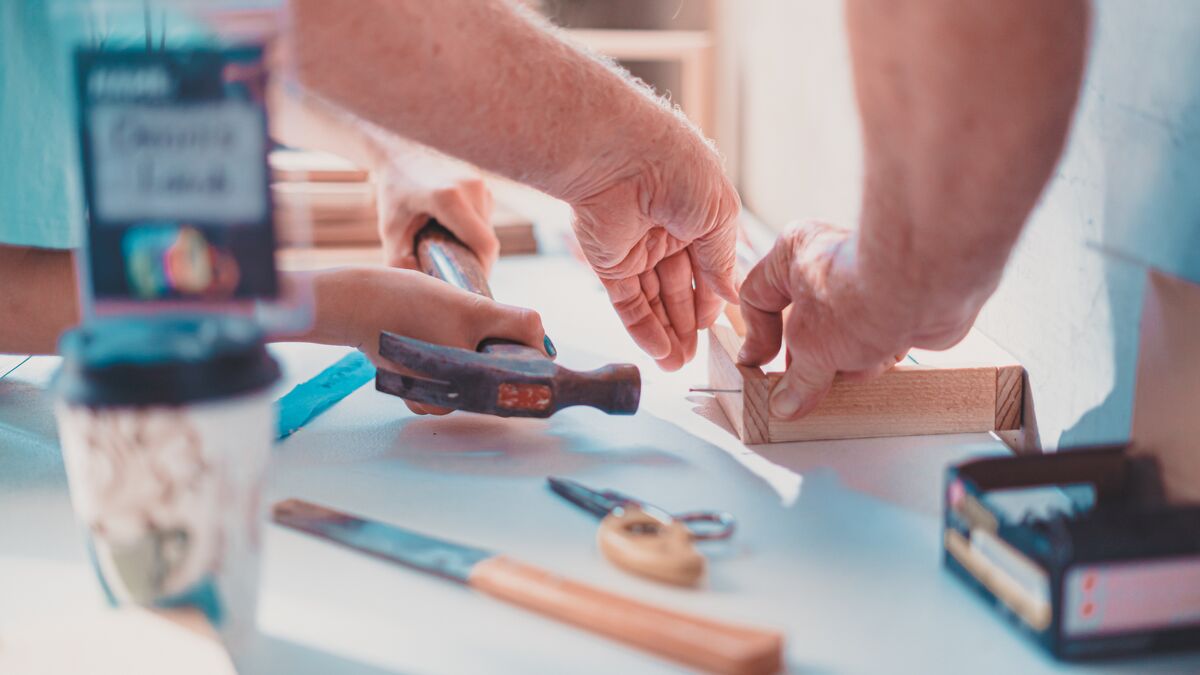
Joiner shaping a timber component by hand at a workbench
Ideas for your homePractical considerationsTaunton & Somerset
01

Start with a comfortable grip

Try the shape in your hand and compare it on a sample front. Knobs, pulls and integrated profiles offer different grip and visual weight. Keep position consistent across similar doors, while allowing larger drawers the grip they need.

02

Try the grip on the type of door it will open

A small knob, a bar and a cup-style handle require different movements. Consider the size and weight of the door or drawer, wet hands and the people who will use the room. Where possible, try the selected fitting rather than judging comfort from an image. Check whether fingers have enough space behind the handle and whether an edge feels comfortable. Hardware is touched repeatedly, so usability deserves as much attention as how it photographs.

03

Check corners and adjacent appliances

Projecting handles can meet an adjoining door, wall or appliance when opened. Review the movement of neighbouring units and the position of the hardware together. Where a different handle size or position is proposed, check that it still works with the door construction and any existing holes. A consistent appearance need not mean using exactly the same fitting everywhere. The arrangement should preserve comfortable access and avoid collisions in the actual measured layout.

04

Choose a finish with known care requirements

Compare samples beside the door colour and nearby tap or metal details, without assuming different manufacturers use identical finish names. Read the product's cleaning guidance and ask about replacement availability. If you are updating existing doors, measure the fixing centres and check their condition before choosing hardware. Decorative preference is important, but compatibility, comfortable grip and a maintainable finish are what make a handle a lasting part of the working kitchen.

05

Check fixings and door clearances

Handle centres and fixing holes must suit the cabinet construction and avoid internal fittings. Existing holes can limit replacement choices, and a long pull may catch clothing or restrict a narrow passage. Metal finishes can age differently and need care suited to their coating.

06

Compare finish, feel and cleaning

A distinctive handle can personalise simple cabinetry, but mixing several shapes and metals can make a room feel unsettled. Repeating one finish across key touchpoints often creates cohesion; variation can work when it follows a clear hierarchy.

07

Test handles before drilling

Bring door thickness and drawer sizes, test samples against the chosen cabinet colour and check projected clearance near walls and appliances. Confirm fixing centres, supply lead times and cleaning guidance before finalising the specification. Check the handle projection against adjacent drawers, corners and narrow walkways. A small paper template can help compare positions across a full cabinet run before holes are drilled into finished fronts.

This is general inspiration, not an offer of every trade described. Taunton Kitchens designs and fits kitchens and bespoke furniture; confirm project scope and arrange qualified specialists for other work.

Taunton · Wellington · Wiveliscombe

Bring your questions to us.

Talk about your room