Kitchen styles / cottage kitchens

Cottage Kitchens

Cottage kitchens often work best when new cabinetry respects the room rather than trying to erase its character. Gentle colours, timber and selected open storage can create a comfortable atmosphere, while a careful layout keeps a compact or irregular space practical.

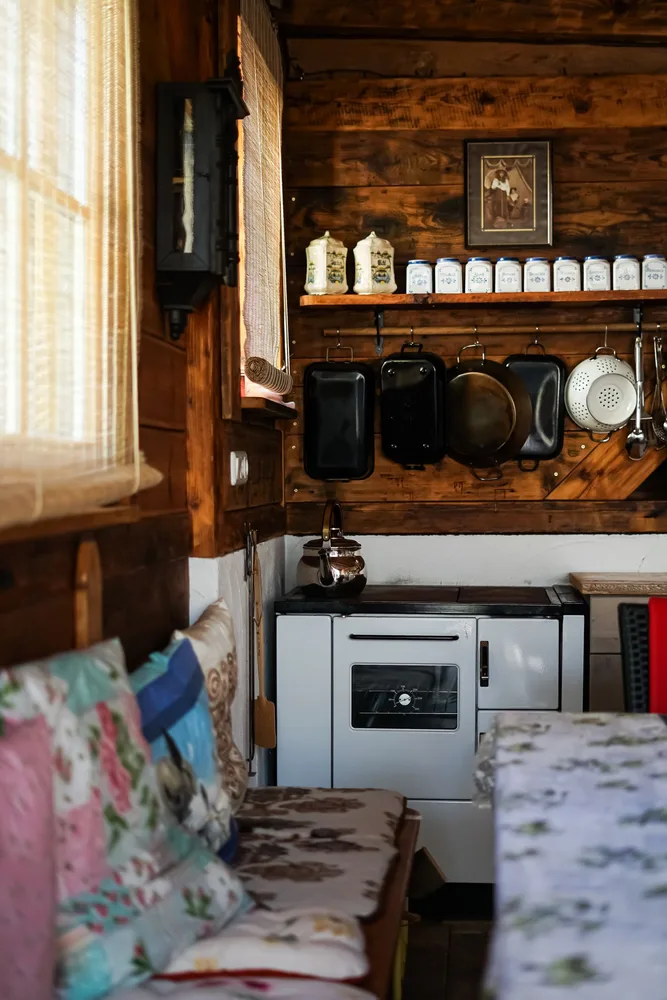
Rustic cottage kitchen with warm timber, cooking equipment and traditional details
01

Work with irregular walls and existing character

A cottage room may contain shallow alcoves, sloping ceilings, exposed beams or changes in wall thickness. These features can give it character while making standard assumptions about cabinet height and depth unreliable. Record the positions of doors, windows and fixed services before settling the arrangement. Bespoke storage can be considered where a conventional unit would waste useful space. The aim is not to hide every irregularity, but to decide which areas need a clean fitted junction and which features should remain part of the room.

02

Keep a compact room comfortable to use

A cottage-style kitchen does not require a large range cooker, oversized sink or deep freestanding dresser. Choose their sizes in relation to the available space and how you cook. Door openings, chair positions and the route between appliances should be tested before adding decorative furniture. In a particularly tight room, an uncluttered stretch of preparation surface may be more valuable than a second display area. Consider the frequency of use as well as the charm of each feature before allocating a permanent place to it.

  • Measure low beams and changes in ceiling height.
  • Check appliance and cupboard openings in the proposed layout.
  • Protect a useful, uninterrupted preparation area.
03

Build character with a limited set of materials

Warm painted doors, timber and a few carefully chosen objects can create a cottage feel without making the room visually crowded. An exposed wall or distinctive floor may already offer a strong texture, so the cabinetry can be quieter. Open shelving is useful for frequently handled items if you accept the cleaning it brings; enclosed storage is usually preferable for food packets and spare equipment. Test how a lighter or darker cabinet colour sits beside the existing materials rather than assuming every cottage needs pale cream.

04

Discuss the building as well as the cabinetry

Older homes can present practical conditions that need to be understood before fitting, including uneven surfaces and restricted access. If a property is listed, proposed alterations may also need appropriate advice or permission; a new kitchen style does not remove those obligations. Share details of the building, photographs of awkward corners and any features that must stay untouched when you contact Taunton Kitchens. That information helps distinguish a straightforward cabinetry project from work that needs additional preparation or other specialist input before installation can begin.

Make it yours

The choices behind the look matter just as much.

Explore the practical work behind a well-planned room, or follow another style that speaks to you.

Taunton · Wellington · Wiveliscombe

Let’s talk about your kitchen.

Bring your questions, room dimensions or simply a feeling you want the space to have. A useful conversation can start before the plan is finished.

Start a conversation