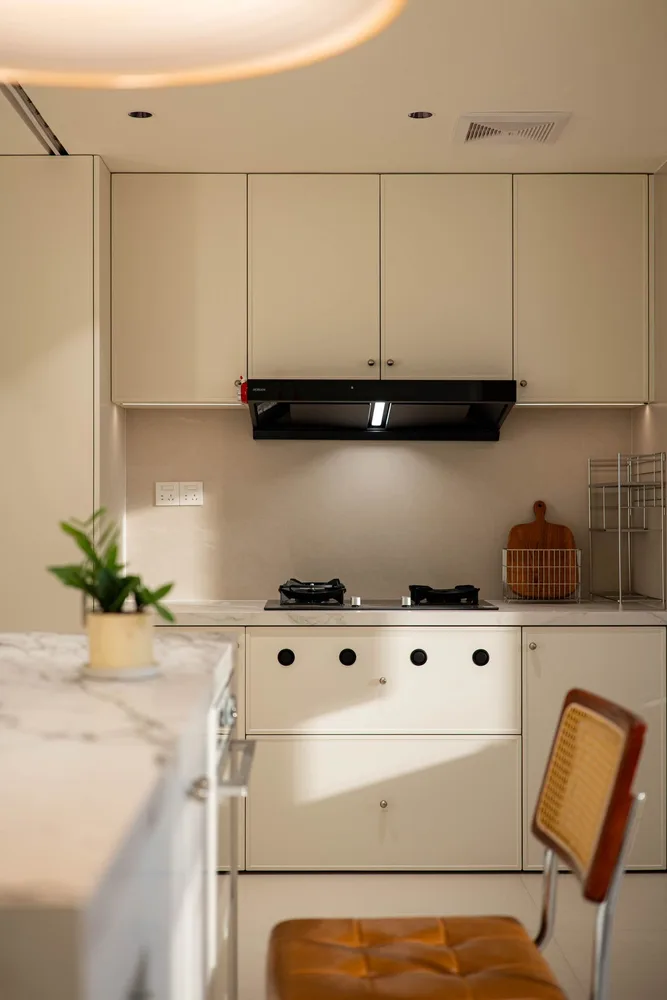
Kitchen styles / cream kitchens

Cream Kitchens

Cream kitchens offer a warm alternative to a cooler white palette. Ivory, beige and creamy tones can work with framed or plain doors, timber or darker surfaces. The most useful starting point is to compare actual samples in your room, then choose the cabinetry and layout around the way you live.

Kitchen with warm cream-toned cabinetry and natural light
01

Find the right undertone, not just the colour name

Cream covers a broad range of warm neutrals, from pale ivory to deeper beige tones. Some samples lean yellow, others pink or grey, and the difference can become clearer beside a floor or worktop. Compare actual door samples in daylight and under your evening lighting rather than relying on a screen image. A north-facing room and a bright south-facing room may make the same finish appear different. Bring the intended wall and surface colours into the comparison early so the warmth feels deliberate rather than accidental.

02

Pair cream cabinetry with a considered worktop

Timber can reinforce the warmth of cream doors, while a darker surface can create a more defined contrast. A pale stone-look surface may give a quieter result, but its undertone still needs checking beside the cabinet sample. Avoid treating colour compatibility as the only decision: maintenance, edges, joins and the areas around the sink and cooker also matter. Where several cream or beige finishes are used, introduce enough variation in texture or tone for them to look coordinated rather than like imperfect attempts at the same colour.

  • View cabinet, worktop and floor samples together.
  • Compare each finish under the intended lighting.
  • Check care requirements before choosing a surface.
03

Decide whether the room should feel classic or modern

Cream does not restrict you to a traditional kitchen. Framed doors and warmer metal handles can give a familiar furniture-like feel, while plain fronts and simpler details can create a contemporary room. The cabinet form should relate to the building and your preference for detail. Consider the profile of handles, visible end panels and the transition to adjoining furniture as part of the same design. If you enjoy stronger colour, a wall, seating area or selected accessories can provide contrast without making the fixed cabinetry visually busy.

04

Plan a warm palette around a useful layout

Before finalising the colour, agree where food preparation, washing, cooking and storage need to happen. A cream palette will not compensate for an obstructed drawer or a shortage of clear worktop. Use your existing kitchen to identify what needs to change, then bring room photographs and any favourite samples to an initial discussion with Taunton Kitchens. If you are comparing cream with white, look at both in the same conditions. That makes it easier to choose a finish for your actual room rather than an attractive photograph.

Make it yours

The choices behind the look matter just as much.

Explore the practical work behind a well-planned room, or follow another style that speaks to you.

Taunton · Wellington · Wiveliscombe

Let’s talk about your kitchen.

Bring your questions, room dimensions or simply a feeling you want the space to have. A useful conversation can start before the plan is finished.

Start a conversation