Kitchen styles / white kitchens

White Kitchens

White kitchens can create a quiet backdrop for timber, colour or architectural features. The result depends on the shade and surface as much as the word white: warm and cool tones, matt and gloss finishes, and the room's lighting can make similar samples feel quite different.

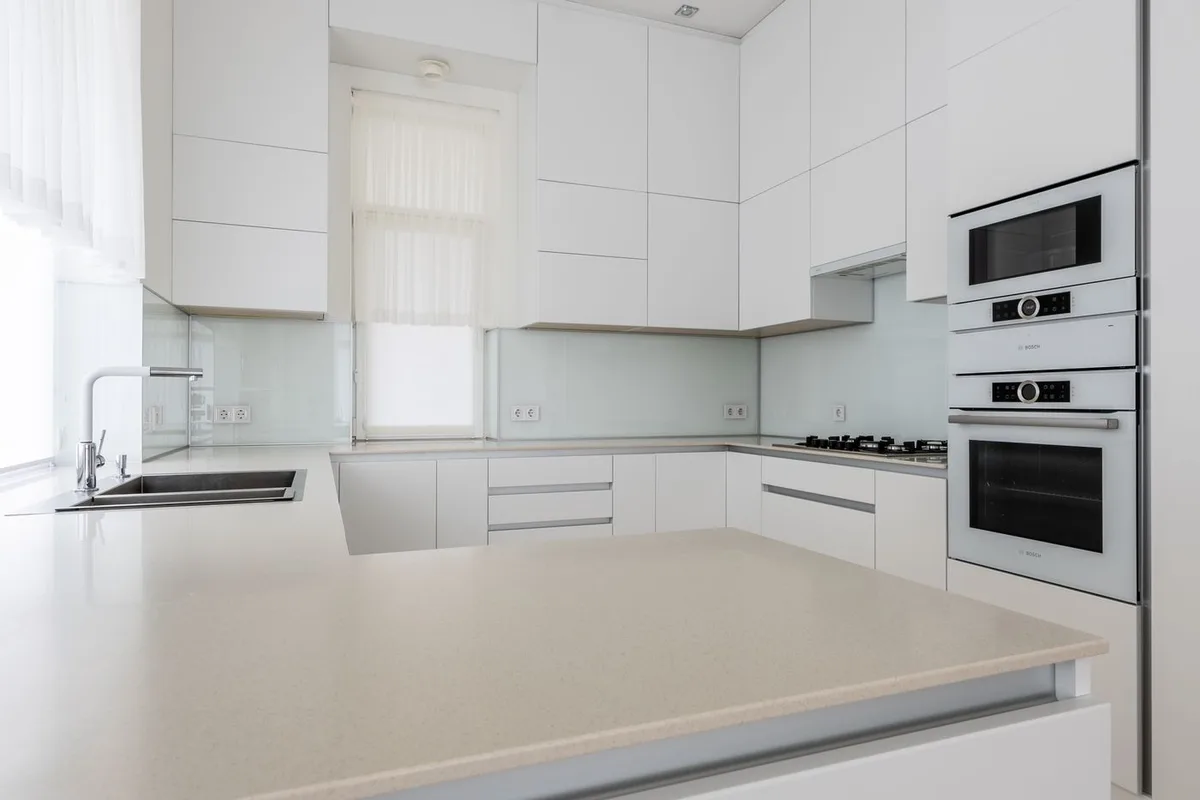
Bright white kitchen with clean cabinetry and daylight across the work surfaces
01

Compare shades of white in the room itself

White is not a single shade. A cabinet sample with a yellow undertone may sit comfortably beside warm timber but look creamier against a cool grey floor. A cooler white can appear brighter in some rooms and harsher in others. View larger samples near the windows and away from them, then check under the lighting you expect to use in the evening. Where possible, compare the door and worktop together. Choosing both independently can leave two almost-matching whites that make their difference more noticeable.

02

Add contrast where it helps the whole scheme

A white kitchen can support contrasting handles, a timber surface, darker flooring or a coloured wall without losing its light appearance. Decide which contrast matters most rather than giving every element equal visual weight. Natural texture can make a predominantly white room feel less flat, especially where plain doors and light worktops meet. Consider the view from adjoining spaces as well as the kitchen itself. A repeated timber tone or a small link to another room's colour can create continuity without making everything match.

03

Choose the finish around light and everyday care

Matt, satin and gloss whites can behave differently even when their colour names are similar. Gloss shows reflections, while flatter finishes give a quieter surface appearance. Cleaning instructions and resistance to particular marks depend on the actual product, not just the finish category, so ask for the relevant care information. White cabinetry can make splashes and dark scuffs easy to see, but that may also make cleaning straightforward to judge. Try handling a sample and examine it in side lighting before choosing a large run of doors.

  • Compare samples beside the intended floor and worktop.
  • Check appearance in both daylight and evening light.
  • Ask how the specific door surface should be cleaned.
04

Make the layout do the practical work

A light palette can change how a room feels, but it does not create additional worktop space or solve difficult access. Plan the sink, preparation area and appliance openings first, then use white finishes to support that arrangement. In a narrow kitchen, handles and projecting edges still need careful consideration. If you are deciding between white and cream, bring both sets of samples to the same design discussion. Taunton Kitchens can help you explore a palette in the context of a practical kitchen brief rather than choosing by colour alone.

Make it yours

The choices behind the look matter just as much.

Explore the practical work behind a well-planned room, or follow another style that speaks to you.

Taunton · Wellington · Wiveliscombe

Let’s talk about your kitchen.

Bring your questions, room dimensions or simply a feeling you want the space to have. A useful conversation can start before the plan is finished.

Start a conversation