Kitchen styles / traditional kitchens

Traditional Kitchens

Traditional kitchens draw on familiar furniture proportions and detailing while still needing to support today's appliances, storage and working habits. Choose the features that suit your home, then make sure the layout and interiors are as carefully considered as the visible cabinetry.

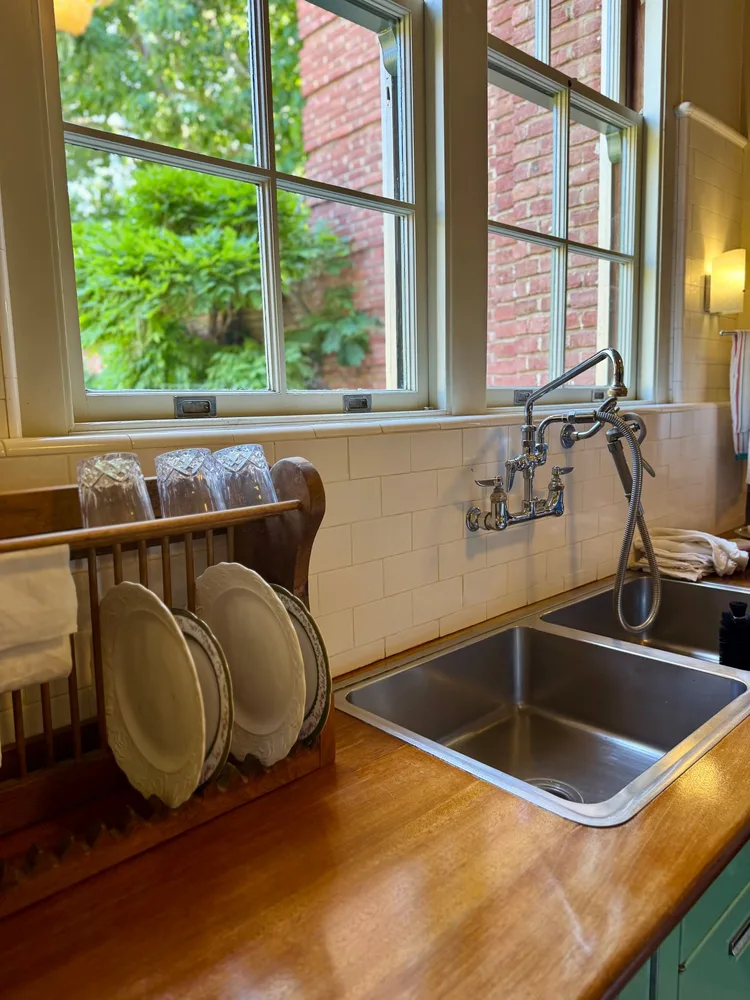
Traditional kitchen sink area with a timber worktop, hanging plates and a garden-facing window
01

Select the details that belong in your home

Traditional styling covers more than one particular door or colour. It can involve framed fronts, moulded edges, a dresser-like cabinet or a softer transition between furniture and kitchen units. Decide which elements genuinely suit the building rather than adding detail everywhere. A room with decorative windows or existing joinery may need restrained cabinetry so those features remain visible. Newer homes can also suit traditional kitchens, particularly where the proportions and finishes relate to furniture elsewhere rather than trying to imitate a different period.

02

Accommodate modern appliances without losing coherence

Contemporary appliances can sit comfortably in a traditional scheme, but their dimensions and ventilation requirements must lead the surrounding cabinet design. Some households prefer concealed appliance fronts; others make a cooker or fridge part of the room's character. Compare the practical access and maintenance implications of both approaches. A visually symmetrical arrangement is less useful if it leaves too little preparation space or makes an appliance awkward to open. Confirm the intended models and their fitting instructions before the final cabinetry measurements are agreed.

03

Use furniture-like storage where it is useful

A tall cupboard, dresser or individually proportioned cabinet can help a traditional kitchen feel like a furnished room. Its contents still need a clear purpose. A shallow cabinet might suit glassware but not bulky kitchen equipment, while a deep cupboard can become frustrating without accessible shelves or internal organisation. Consider whether the item is best made as fitted cabinetry or left freestanding. Fitted storage may make better use of an alcove; freestanding furniture can offer flexibility when the room or household changes.

  • Measure the items intended for a dresser or tall cupboard.
  • Check how doors open near neighbouring furniture.
  • Keep useful worktop space beside cooking and washing areas.
04

Keep decorative choices practical to maintain

Additional grooves, mouldings and shelves introduce more surfaces to clean. They can be worthwhile where they contribute to the room, but the amount of detailing should fit the time you want to spend maintaining it. Worktop edges, handles and splashbacks also deserve attention: compare how they feel in use as well as their appearance. A traditional kitchen brief should include the features you value, the furniture you want to keep and the everyday frustrations to resolve. Taunton Kitchens can then discuss the design and fitting requirements together.

Make it yours

The choices behind the look matter just as much.

Explore the practical work behind a well-planned room, or follow another style that speaks to you.

Taunton · Wellington · Wiveliscombe

Let’s talk about your kitchen.

Bring your questions, room dimensions or simply a feeling you want the space to have. A useful conversation can start before the plan is finished.

Start a conversation